
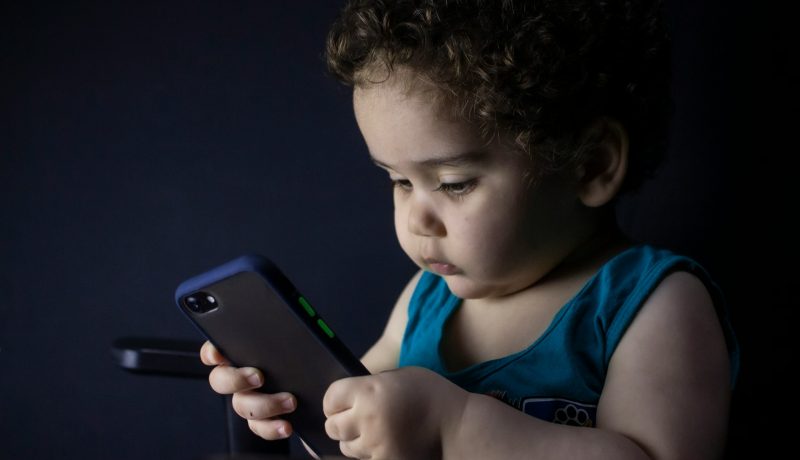
How does phone usage affect children?
Phone usage affects children across several developmental areas, with the impact often depending on the child’s age, the amount of screen time, and the type of content they consume. While phones offer tools for education and connection, excessive use is linked to significant physical and psychological risks.
- Cognitive & Brain Development
- Brain Structure: Intensive usage (more than seven hours a day) has been linked to a thinning of the brain’s cortex, the area responsible for processing sensory information.
- Language Acquisition: For toddlers (ages 1.5 to 3), learning is most effective through “back-and-forth” interaction with humans. Over-reliance on screens can lead to delays in vocabulary and communication skills because it lacks the nuance of real-life social cues.
- Executive Function: Multitasking on devices can weaken a child’s ability to focus, manage time, and switch between tasks effectively, which often shows up as lower academic performance in math and reading.
- Mental & Emotional Well-being
- The “Variable Reward” System: Apps and games are designed like slot machines; they activate the brain’s reward system by providing unpredictable “hits” of dopamine (likes, levels, or notifications). Children, whose self-control centers are still developing, are particularly vulnerable to this cycle, leading to “screen addiction.”
- Social Comparison: Especially for preteens and teens, social media can foster a “Fear of Missing Out” (FOMO) and negative self-comparison, which are primary drivers of anxiety and low self-esteem.
- Internalization: Recent studies suggest that the earlier a child gets a smartphone, the more likely they are to internalize problems rather than discuss them with parents, potentially widening communication gaps in the family.
- Physical Health
- Sleep Disruption: The blue light emitted by screens suppresses melatonin (the sleep hormone), tricking the brain into thinking it is still daytime. This leads to shorter sleep duration and poor REM sleep, which is critical for memory consolidation.
- Digital Eye Strain: Prolonged focus on small screens can cause headaches, blurred vision, and, in some cases, “cross-eye” symptoms in younger children due to the muscle strain of focusing up close for hours.
- Sedentary Lifestyle: Increased phone time correlates with reduced physical activity, which is a major contributor to childhood obesity.
- Positive Potential (The Balanced View)
It isn’t all bad news; phones can be beneficial when used intentionally:
- Social Connection: They allow children to stay connected with distant family or friends, reducing feelings of isolation.
- Educational Resources: High-quality, interactive programming can supplement learning when co-viewed with a parent who can help the child process the information.
Summary of Expert Recommendations
| Age Group | Recommendation |
| Under 18–24 months | Avoid screens entirely (except for video chatting). |
| Ages 2–5 years | Limit to 1 hour/day of high-quality, co-viewed content. |
| School Age / Teens | Prioritize “screen-free” zones (bedrooms, dinner table) and focus on a “diverse menu” of offline and online activities. |
Last Update:
May 15, 2026




No Comment! Be the first one.