
What should a beginner start trading with?
If you’re a beginner wanting to start trading in the UK, it’s best to start small, choose safe products, and use regulated platforms. Here’s a simple, practical guide:
📌 Best Things for Beginners to Start Trading With
| Option | Why It’s Good for Beginners |
| Index Funds / ETFs (e.g. FTSE 100 ETF) | Low risk, spreads your money across many companies, easier than picking individual stocks |
| Blue-chip stocks (e.g. Barclays, Tesco) | Stable companies with lower volatility |
| Government Bonds / Bond ETFs | Lower risk, steady returns |
| Fractional shares | Allows investing with small amounts (£5–£50) |
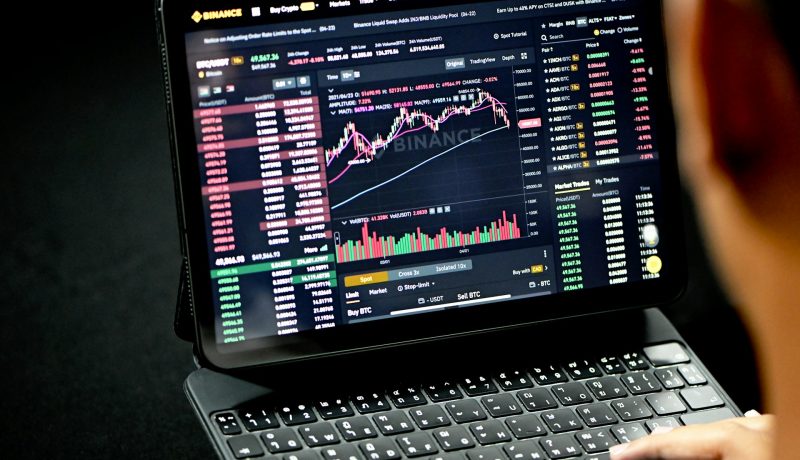
💡 Avoid complex assets like crypto trading, CFDs, forex, penny stocks, day trading when starting out. They can lead to heavy losses if you’re inexperienced.
🏦 UK Regulated Platforms for Beginners
Only use platforms regulated by the Financial Conduct Authority (FCA).
Popular beginner platforms:
- Trading 212
- Freetrade
- eToro (FCA-regulated) – good for fractional shares
- Hargreaves Lansdown – great for long-term investing
- Vanguard UK – excellent for index funds & ETFs
💷 How Much Should a Beginner Start With?
- You can start with £50–£200.
- Focus on learning, not profits.
- Start small until you build confidence.
📌 Tip: Aim for long-term investing (1–5 years) instead of trying to get rich quickly.
📚 Simple First Strategy (For Beginners)
✔ Invest monthly (even small amounts)
✔ Choose low-fee ETFs (e.g. FTSE 100, S&P 500)
✔ Hold for at least 3–5 years
✔ Add more when you gain knowledge
🚫 Things Beginners Should Avoid
❌ Day trading
❌ Forex trading
❌ Leveraged products (CFDs)
❌ Investing based on social media tips
❌ Borrowing money to invest
🏁 Final Advice
Start with simple, low-risk investments, learn steadily, and never invest money you can’t afford to lose. Treat trading like a skill you build, not a gamble.




No Comment! Be the first one.